Understanding The Human Side Of Poker Strategy
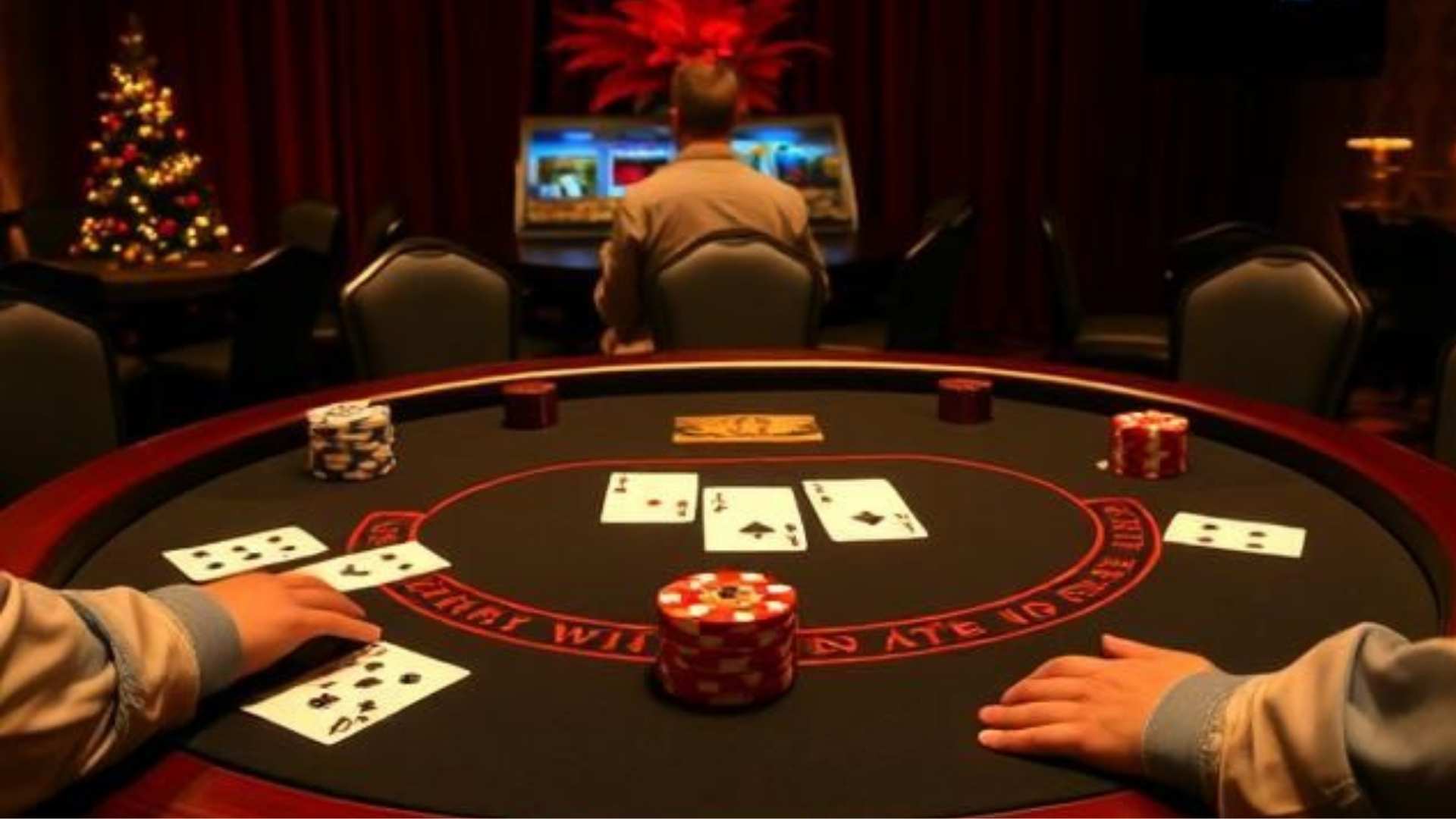
While mathematical models and probability charts dominate modern tactical discussions, the core of card games remains a deeply human experience. Succeeding at a high level requires players to look past the cold percentages and focus on the emotional variables that influence their opponents. By developing a keen awareness of psychological behaviors, you can turn unpredictable table dynamics into a distinct competitive advantage.
The Role of Empathy and Interpersonal Observation
Understanding what your opponents are experiencing emotionally allows you to accurately anticipate their upcoming decisions at the table. Many players treat strategy as a rigid formula, completely ignoring how stress or excitement can alter a rival's betting frequency over time. Cultivating a habit of active observation helps you decode these subtle behavioral shifts before they impact your stack.
Paying close attention to how someone handles a difficult loss reveals their general resilience and current mental stability during the session. When a competitor becomes visibly frustrated, their logical baseline dissolves and they frequently begin chasing losses with sub-optimal hands. Recognizing these moments of emotional vulnerability allows you to adjust your aggression levels to exploit their temporary lack of discipline.
Managing Personal Composure Under Heavy Pressure
Controlling your own emotional output is just as critical as deciphering the psychological states of the people sitting around you. Experienced competitors will actively scan your physical demeanor, looking for minor tells or sudden changes in your established pacing. Maintaining a uniform breathing pattern and a steady baseline demeanor prevents others from gathering actionable intelligence during intense rounds of play.
Consistency in your decision-making speed serves as an excellent shield against observant opponents who look for any sign of hesitation. If you execute your choices with the same deliberate rhythm regardless of your actual hand strength, you eliminate a major source of vulnerability. For those interested in exploring modern sports betting platforms alongside card variants, visiting M88 sports offers a great way to see how strategic principles apply across different competitive disciplines.
Deciphering Table Image and Perceived Reputation
Your established reputation among your peers dictates how they will naturally interpret your sudden aggressive movements during critical moments. A player who rarely enters a pot constructs a highly conservative aura that commands immediate respect when they finally choose to raise. Leveraging this psychological leverage forces cautious opponents to step aside rather than risk a large portion of their chips.
Conversely, if your recent history shows erratic or overly loose participation, your sudden large wagers will carry much less weight overall. Observant rivals will quickly challenge your narrative, assuming your movements are driven by desperation rather than actual card strength. Balancing your visible table image requires deliberate patience and a clear understanding of how others perceive your past actions.
Adapting to Shifting Environmental Pressures
Every session features a shifting landscape of confidence levels that requires constant tactical recalculation from active participants looking to win. A strategy that worked perfectly during the initial stages might fail later if the general mood of the room shifts toward extreme caution. Staying flexible and recognizing when the collective psychological tone changes ensures long-term stability and success across diverse playing environments.